
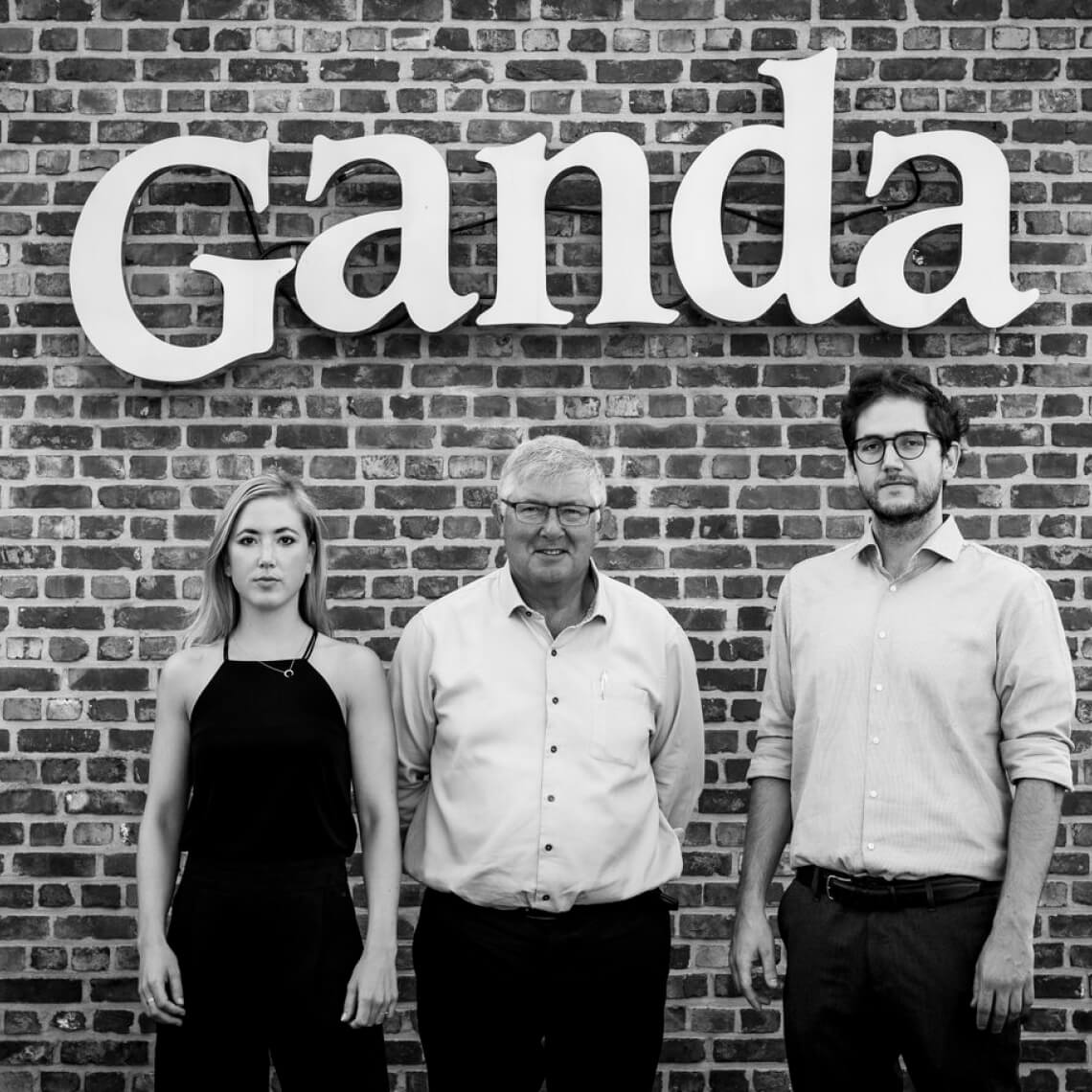
THE FOUNDATION OF GANDA HAM, IN GHENT (BELGIUM)
The name Ganda originates from the ancient Celtic name that was given to the city of Ghent, indicating the confluence of the rivers Leie and Scheldt. Ganda is also the delicate equilibrium between human and nature in the Flamish lands between the rivers. The place where an artisanal, dry salted ham is the summit of gastronomy.
MISSION AND VALUES
To acquire and maintain a leadership position in the market by means of profitable growth in the production and sale of Ganda Ham and other delicacies, recognised as, and acknowledged to be of the highest quality by the consumer. This is done with the utmost care for the environment, the happiness of our workers, customer satisfaction, and health.
Mastery
Our knowledge, experience and craftsmanship ensure that every customer can expect nothing less than high quality products and an exceptional service. We source quality raw materials and employees. To achieve this we invest in individual educational programmes as well as innovative equipment, techniques and trends.
Respect
Our involvement with and respect towards our customer is significant. We respect each person’s self and love working person to person. Everyone gives the respect that is due to eachother, the tools and the environment. Every employee emanates job satisfaction.
Openness
We offer a proper product and are continuously honest and transparent about our recipes and our process. We keep our commitments to our clients, suppliers and employees and are always open to differing opinions.
HISTORIEK

Foundation
Roger Cornelis and his wife Maria Mattheeuws set up a butcher’s shop in Wetteren. After a few years they move into a larger facility in Mariakerke due to their tremendous success.
Start meat company
Roger Cornelis decides to sell his butcher’s shop and start a meat company in Destelbergen, specialising in the production of cooked meats and salted hams.
CORMA
The business expands with a meat hall named CORMA (CORnelis- MAttheeuws).
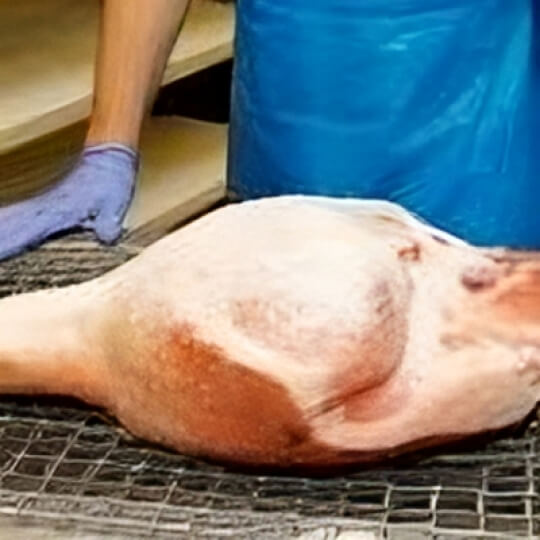
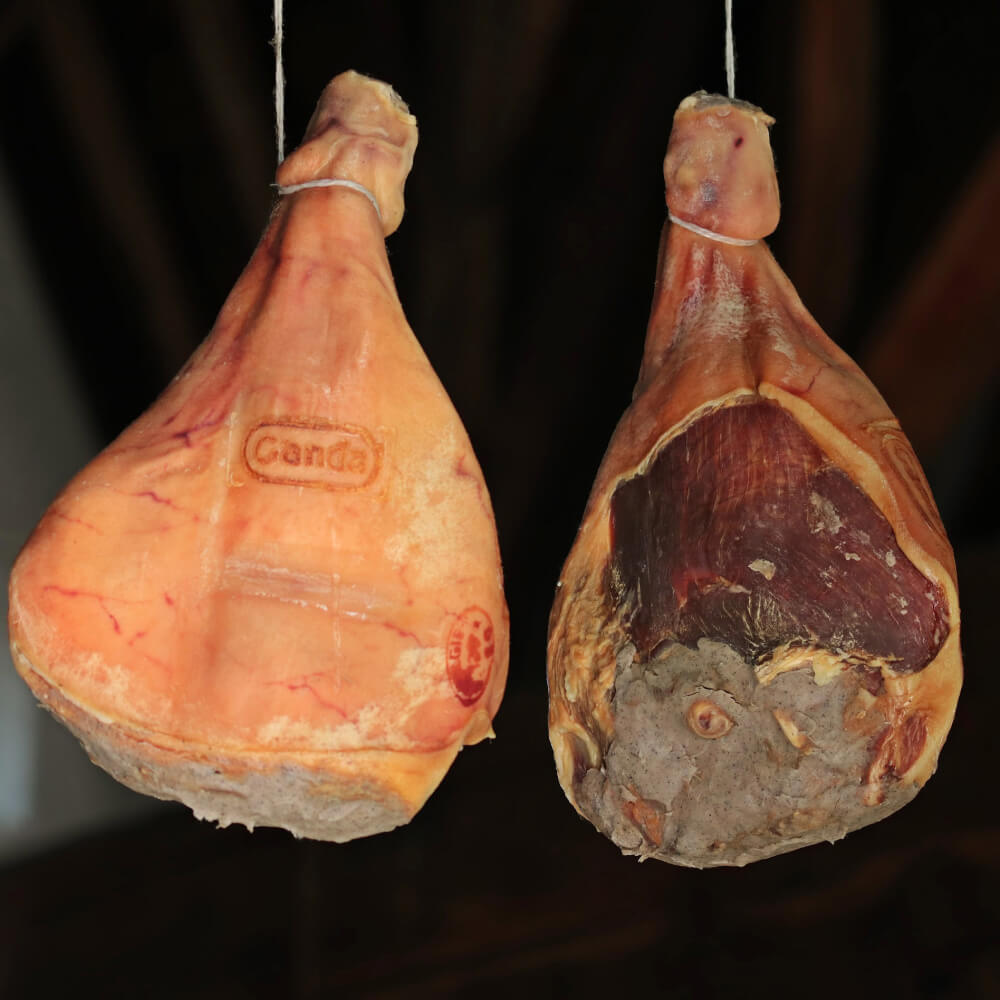
Dry salted hams
Roger Cornelis conducts trials for the production of raw hams based on the ancient Flemish dry salting process. The results exceed expectations and Vleeswaren Corma begins the production of dry salted hams, cured for 6 months.
Sole proprietorship becomes BVBA
The sole proprietorship becomes a BVBA, a private limited liability company under Belgian law. The dried hams account for 10% of total turnover at this point.
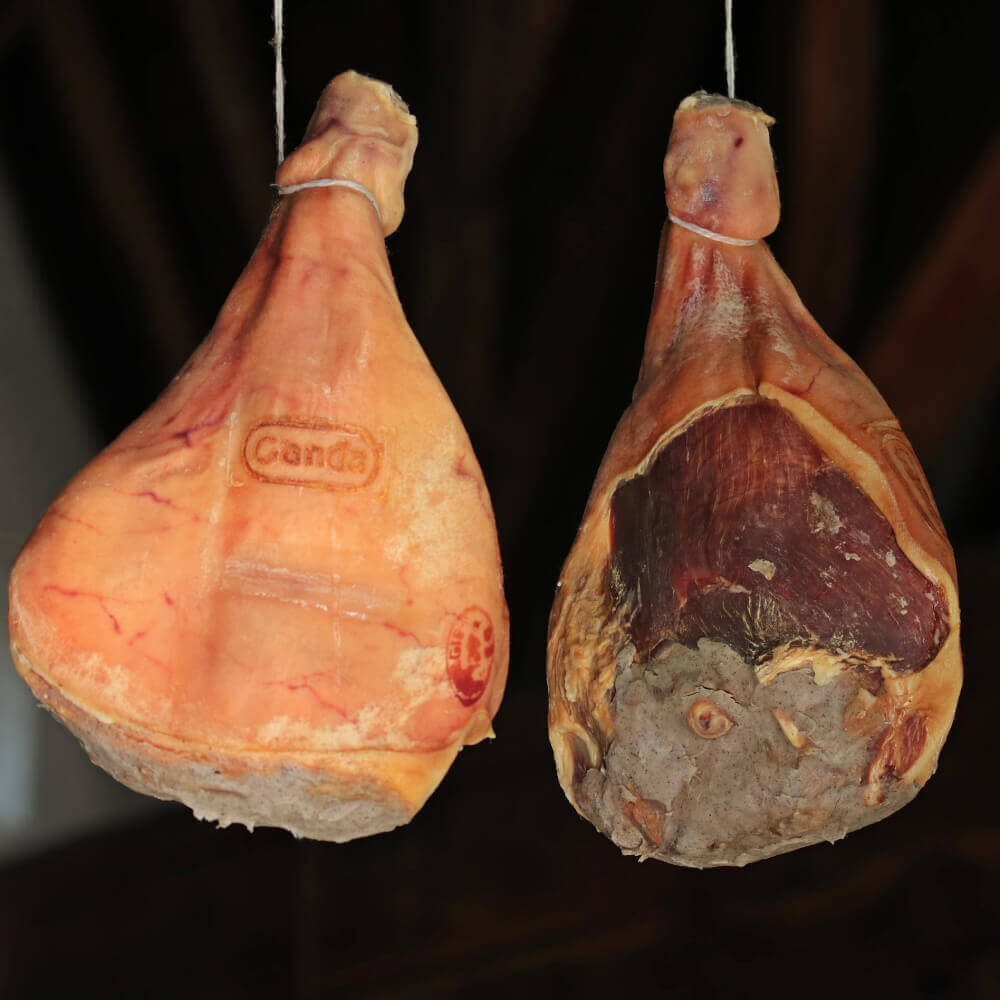
Ganda Ham
The urge for a distinctive brand name to replace the former Flemish Farmer Ham is pressing. That name is ‘Ganda Ham’, a name that references the place of origin (Ghent).
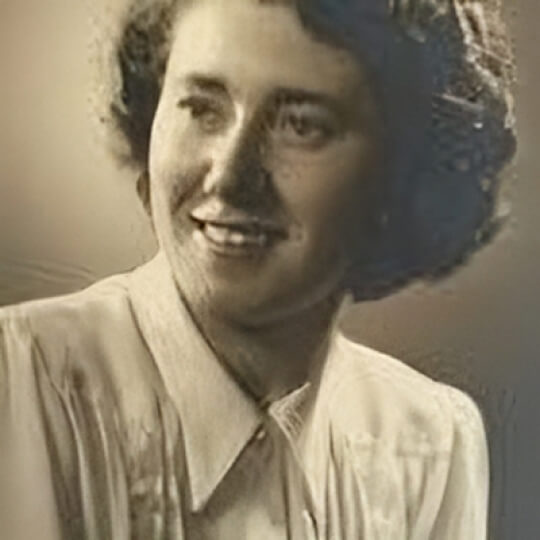
Reorganisation
Roger Cornelis loses his associate and partner Maria Mattheeuws. He identifies the need to reorganise the operation.
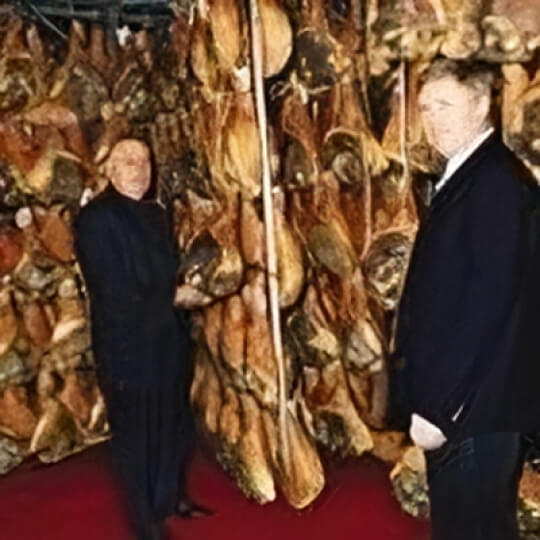
Vleeswaren Corma NV
Roger Cornelis leaves the daily management of the company to his son Dirk. BVBA Corma becomes Vleeswaren Corma NV.
ISO-9002 certification
Corma NV obtains the ISO-9002 certification, the first in the sector. Proving once again its complete dedication to quality. Throughout the 1990s, the companies achieved a growth of 10% per year. From 3 to 10 million Euros.
Environmental Charter
Corma makes structural efforts towards environmental care and obtains the Environmental Charter. The installation of a water purification facility also takes place that year.
First Selection
Creation of First Selection. The idea behind this company is to facilitate export along with other companies.
Expansion slicing
In order to address the rising trend towards prepackaging, Corma expands its slicing department.

Acquisition Hoste
Ganda acquires the meat company of Ronny en Annie Hoste, producers of hams in Maldegem. Today, “Brugse Hammen” are one of the products produced there.
Expansion and diversification product range
Solar Panels
Heat recovery system and heat pump
HR scan
TALK TO US
